
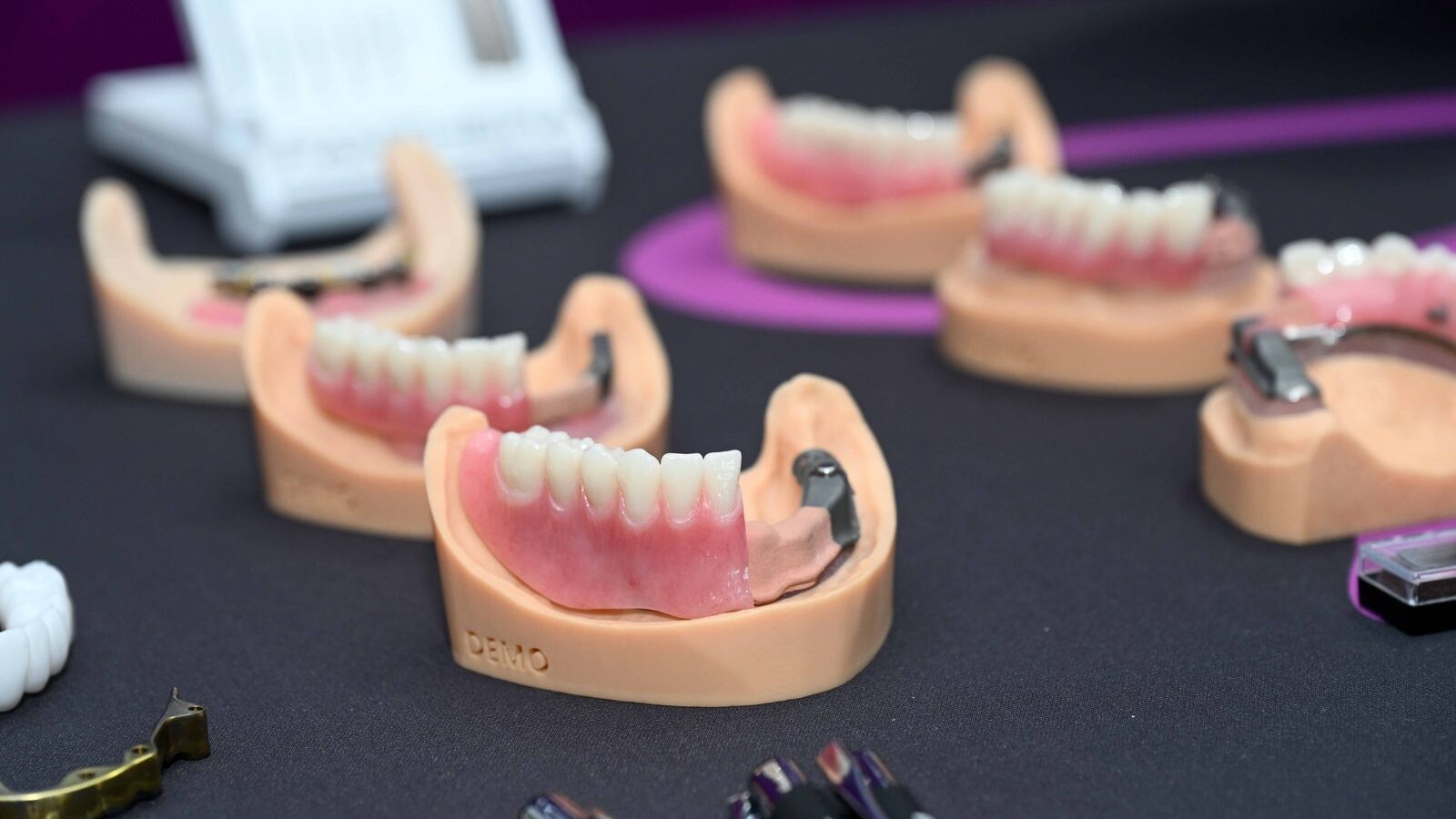
Tuesday afternoon, a man walked into our room in Haliç and turned his phone towards me before he had even sat down. Three messages from three different clinics, all for the same missing molar. Those figures looked nothing like each other. “Doc, one of them is half of this and another is nearly double. Which one is trying to fool me?”
Maybe none of them. Really. We hear this question several times a week, and when people ask about dental implant cost in Turkey, they expect a single figure, even though what they asked over the phone is really a bundle of different things that nobody has unpacked yet. One clinic is quoting only the screw. Another has added the tooth that goes on top. A third may have counted bone grafting as well. Put them side by side and it is a bit like comparing two restaurant menus that both just say “meat dish”. Lamb or beef, how big a portion, does it come with rice, you can’t tell.
To be honest, I couldn’t tell him which message was right on the spot. I needed to see his X-ray first. What follows is built around his question, so that anyone holding more than one quote can use it.
Why Is Dental Implant Cost in Turkey So Different From Clinic to Clinic?
Short answer, clinics are not always pricing the same thing. That’s all. A dental implant is not a single piece. There is a titanium body that sits in the jaw, a connecting part called the abutment that screws onto it, and on top the tooth you see and chew with, the crown. Around those come the scans taken for planning, the surgery itself, the check-ups while you heal and the lab work.
One clinic may say “implant” and mean only the body. Another may bundle everything into a single line. When a figure looks low, the missing item is very often the crown. When it looks high, it sometimes includes a bone graft, a temporary tooth or a CT scan.
Then there is the part you can’t see, and it is a big part. A sterile surgical setting, the quality of the implant system and whether spare parts will still be available ten years from now, the time your dentist actually gives you, who the lab is and how carefully they work. None of this is in the message, but all of it sits somewhere inside that number.
What Should a Dental Implant Quote Include?
A dental implant quote can only be compared with another one when its items are spelled out. Easiest is to split everything into the same rows. Look at the message you have and check which of these lines it mentions and which it doesn’t.
| Item | What it does | Often left out of a quote? |
|---|---|---|
| Exam and panoramic X-ray | A general map of your mouth | Sometimes listed separately |
| 3D CT scan | Bone volume, sinus and nerve distance | Often left out |
| Implant body | The artificial root in the bone | Usually the only item mentioned |
| Abutment | The part joining the body to the tooth | Often left out |
| Crown | The tooth you see and chew with | Very often left out |
| Bone graft, membrane | Rebuilding bone that is not enough | Frequently turns up later |
| Temporary tooth | Hides the gap while you heal | Depends on the person |
| Follow-up visits | Stitch removal, checking the bone has fused | Usually included |
I have a small request. When you receive a quote, keep this table next to it and write “yes” or “no” against every row. Most of our patients find that half of the gap between their quotes closes by itself. Just like that.
Can a Clinic Give a Real Dental Implant Price Without an X-ray?
Whatever anyone tells you on the phone when you ask “how much for one implant” is, at best, an estimate. At worst it is a starting figure meant to get you through the door.
Why? The same missing tooth can be a completely different job in two people. One had the tooth taken out six months ago and the bone is still there. Another has lived with the gap for ten years, the bone has thinned and, in the upper jaw, the sinus has dropped down into the space. Same figure for both? One of them would be paying for the other.
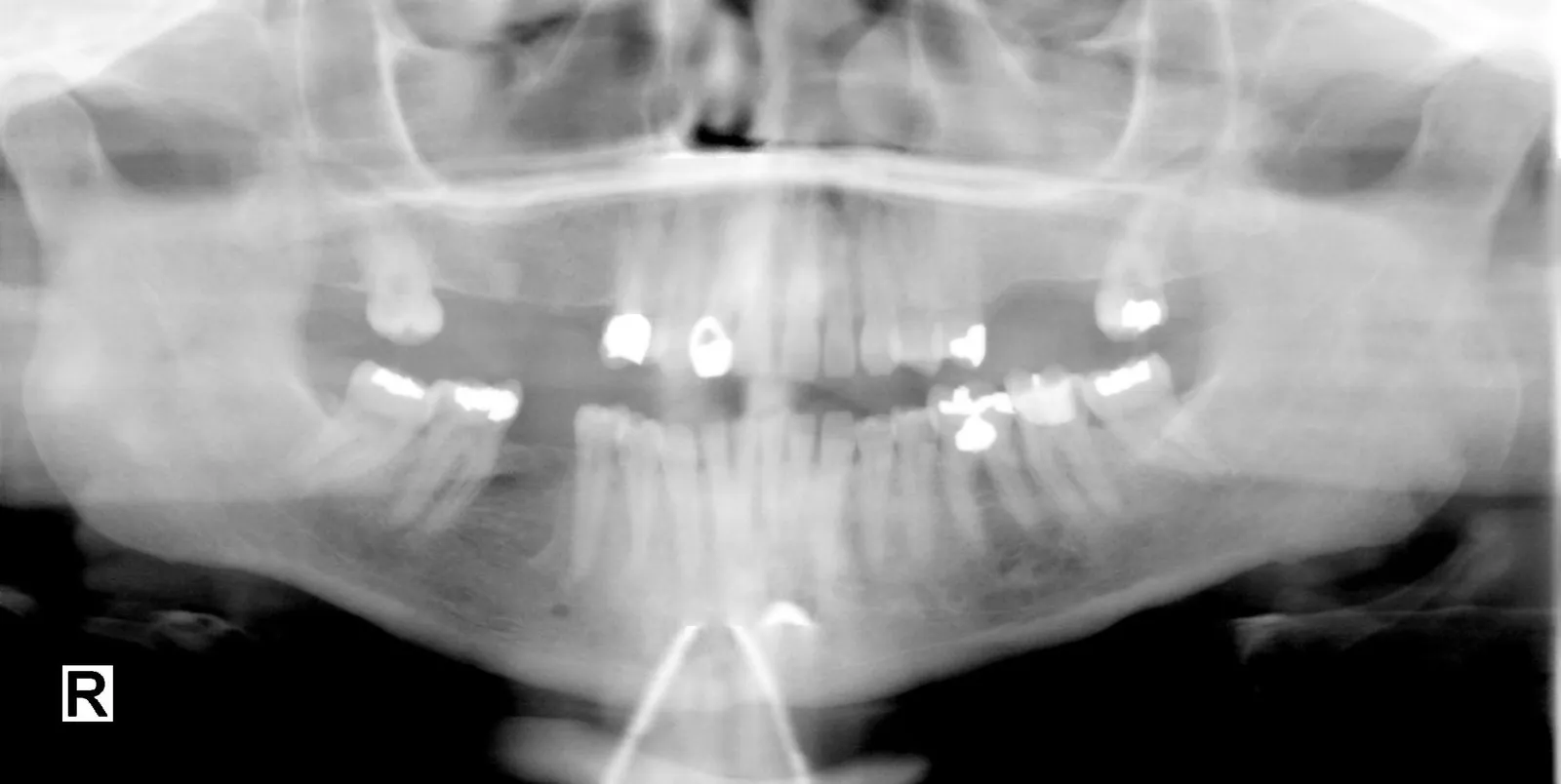
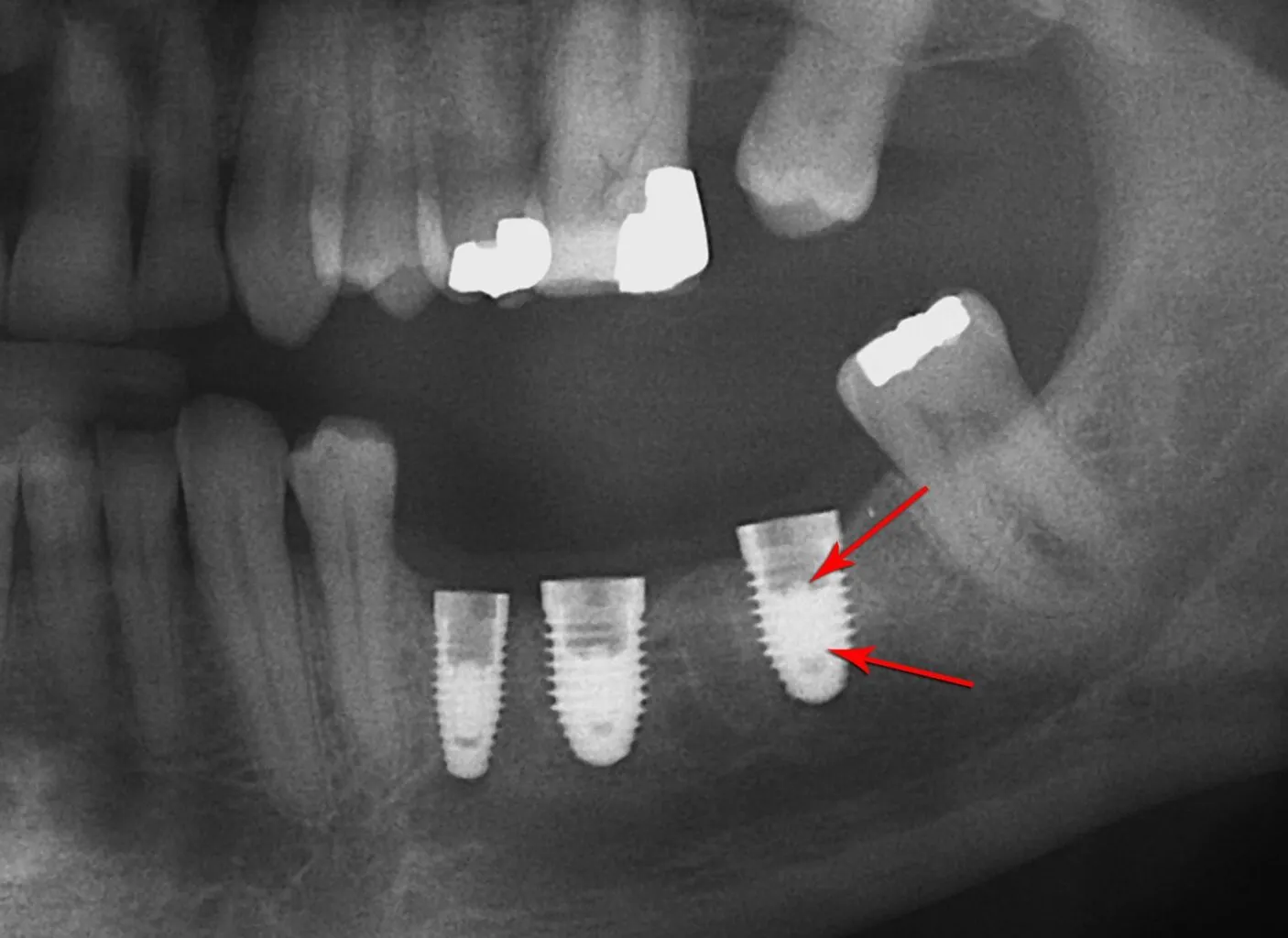
A panoramic X-ray is the first step, but it is flat. To see how wide the bone is, exactly where the nerve in the lower jaw runs and how thick the floor of the sinus is, most cases need a 3D CT scan. The Mayo Clinic page on dental implant surgery also describes planning as starting with imaging and an assessment of the bone.
I understand the people who say “I only want a rough idea.” Even for that, sending your panoramic film changes a lot. From that single image you can roughly see how many teeth are missing, what the neighbouring teeth look like, where the bone level sits and how far the sinus has come down. A figure given to someone with no X-ray is a stone thrown in the dark.
Why Do Bone Grafts and Sinus Lifts Get Added Later?
Bone does not like to be left waiting. It never has. After a tooth is removed, the bone in that area slowly melts away. Your body takes back what it no longer needs. Leave the gap for years and you lose more bone.
So what happens if there isn’t enough? A bone graft is needed, either before the implant goes in or during the same visit. In the upper back teeth the sinus can thin the bone from above, and then the floor of the sinus is raised. That is called a sinus lift.
Here is the real problem, and it is a boring one. If no CT scan was taken at the first meeting, this need only shows up during surgery. Picture the patient in the chair with a numb mouth, hearing “we will have to add bone”, and the first quote changes in an instant. It feels unfair. You are right to feel that, and I have said so to patients more than once.
There is a way around it. Get the scan first and write the bone need into the plan from day one. Small surprises can still happen during surgery and I won’t pretend otherwise, but with good planning a large graft is usually visible well in advance, long before anyone picks up an instrument.
Are All Dental Implant Systems the Same?
After a Sunday kickabout, over tea, one guy says “mine is European-made” and another answers “mine is local but it’s perfectly good.” Both may be partly right, because what matters is not the country printed on the label. It is how many years of research stand behind that screw, how many thousands of patients have been followed and what manufacturing standard it is built to.
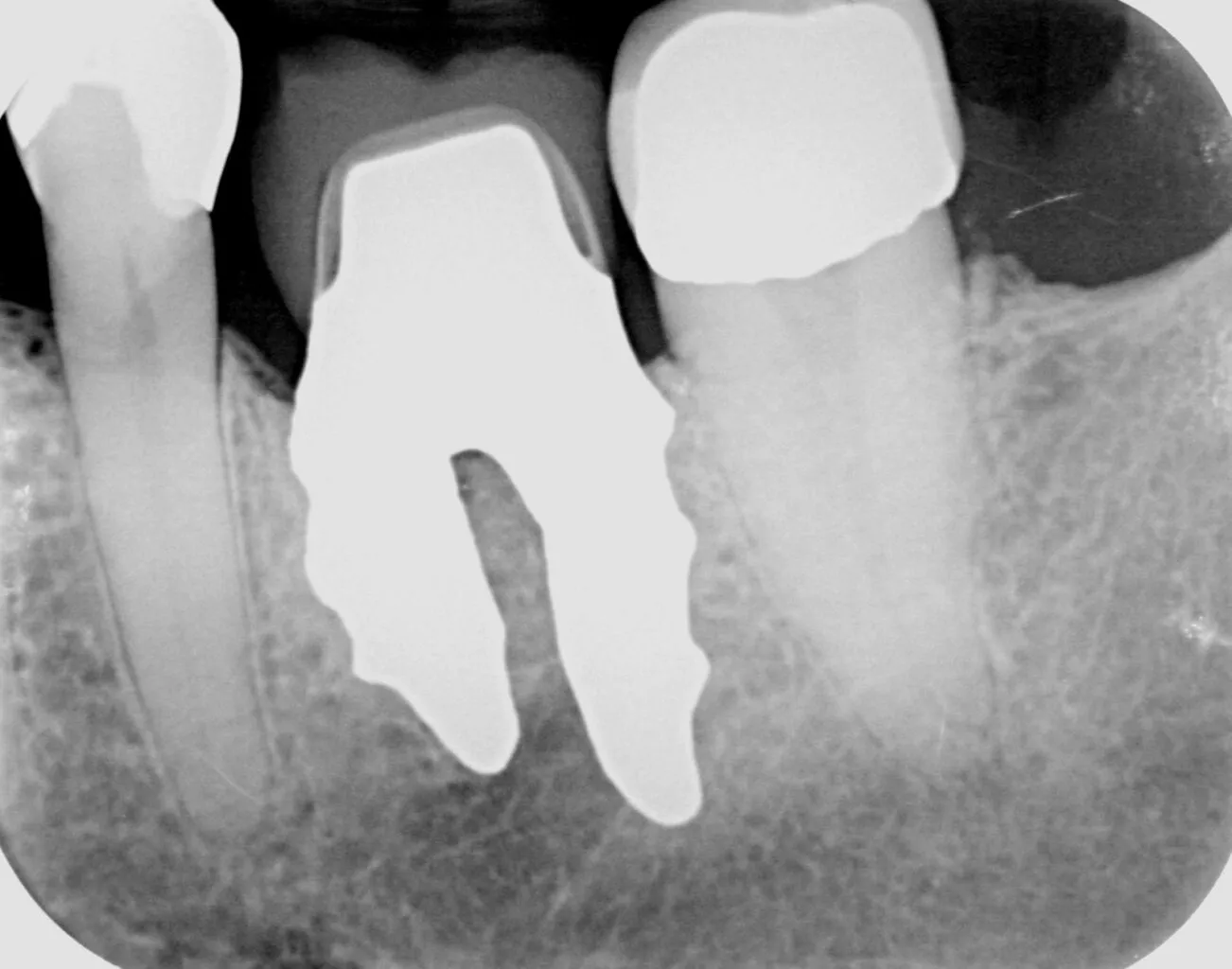
Differences between implant systems are often invisible to the eye. Surface treatment of the body, how it affects fusion with the bone, how much long-term research exists, the standards used in production, all of these vary. And there is one question people rarely ask. If the abutment screw loosens in ten years, or the crown breaks, will you be able to find a spare part for that system?
Running into a system that has left the market or whose parts are no longer made is like hunting for a headlight for an old car. You might find one. But it takes time, you wait, and sometimes you never do.
So when you collect quotes, ask for the name of the system, the implant card and whether the lot number will be given to you. A serious clinic will not mind being asked. If you are curious about titanium versus zirconia bodies, we explained that in what to know before getting dental implants.
Is the Crown Included in the Dental Implant Quote?
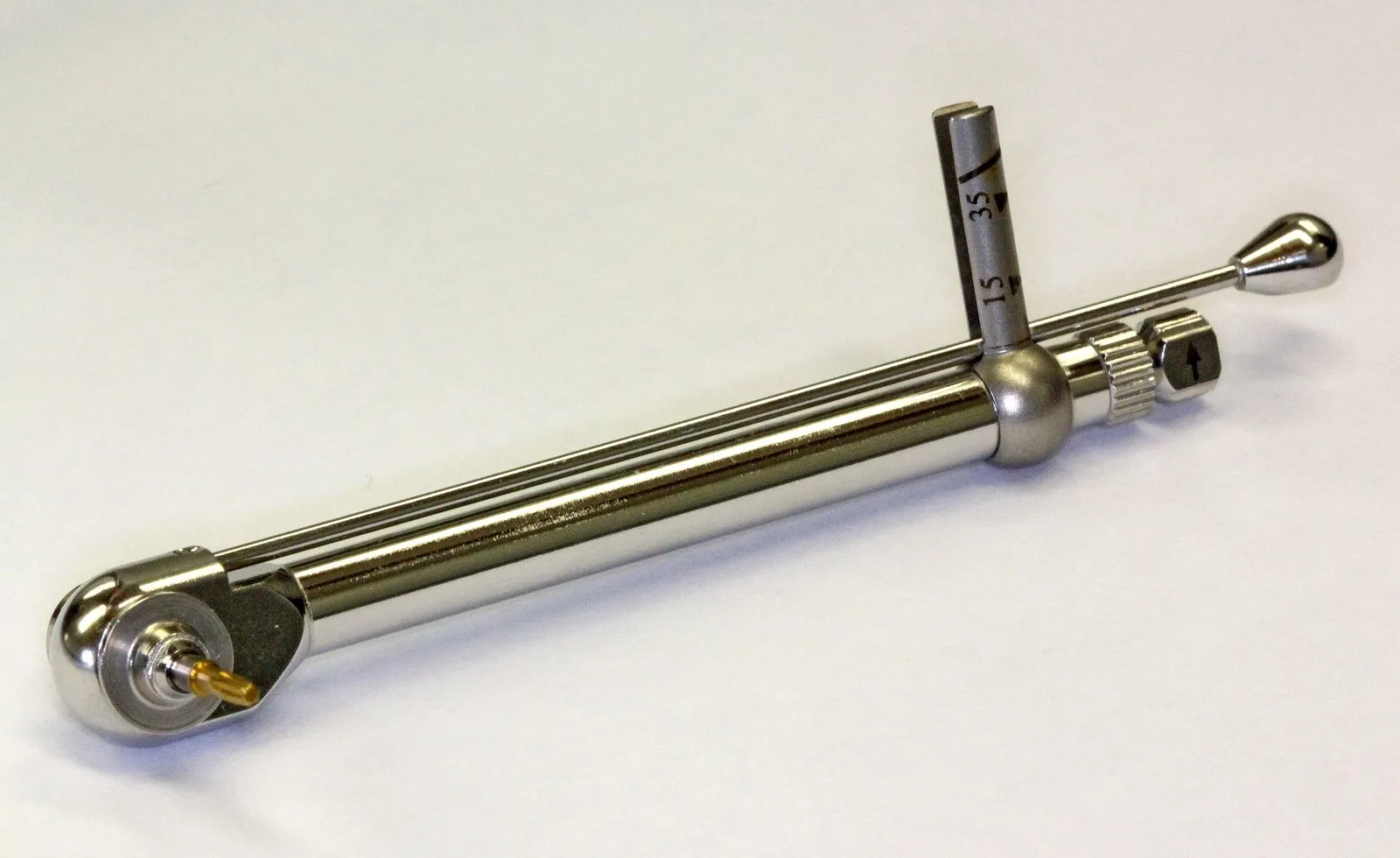
This is the item that surprises patients most. Really. Some ask, “I paid for the implant, now I pay for a tooth as well?” Yes. Think of the implant as the root, and the tooth you see, the crown, is made separately in a separate lab job.
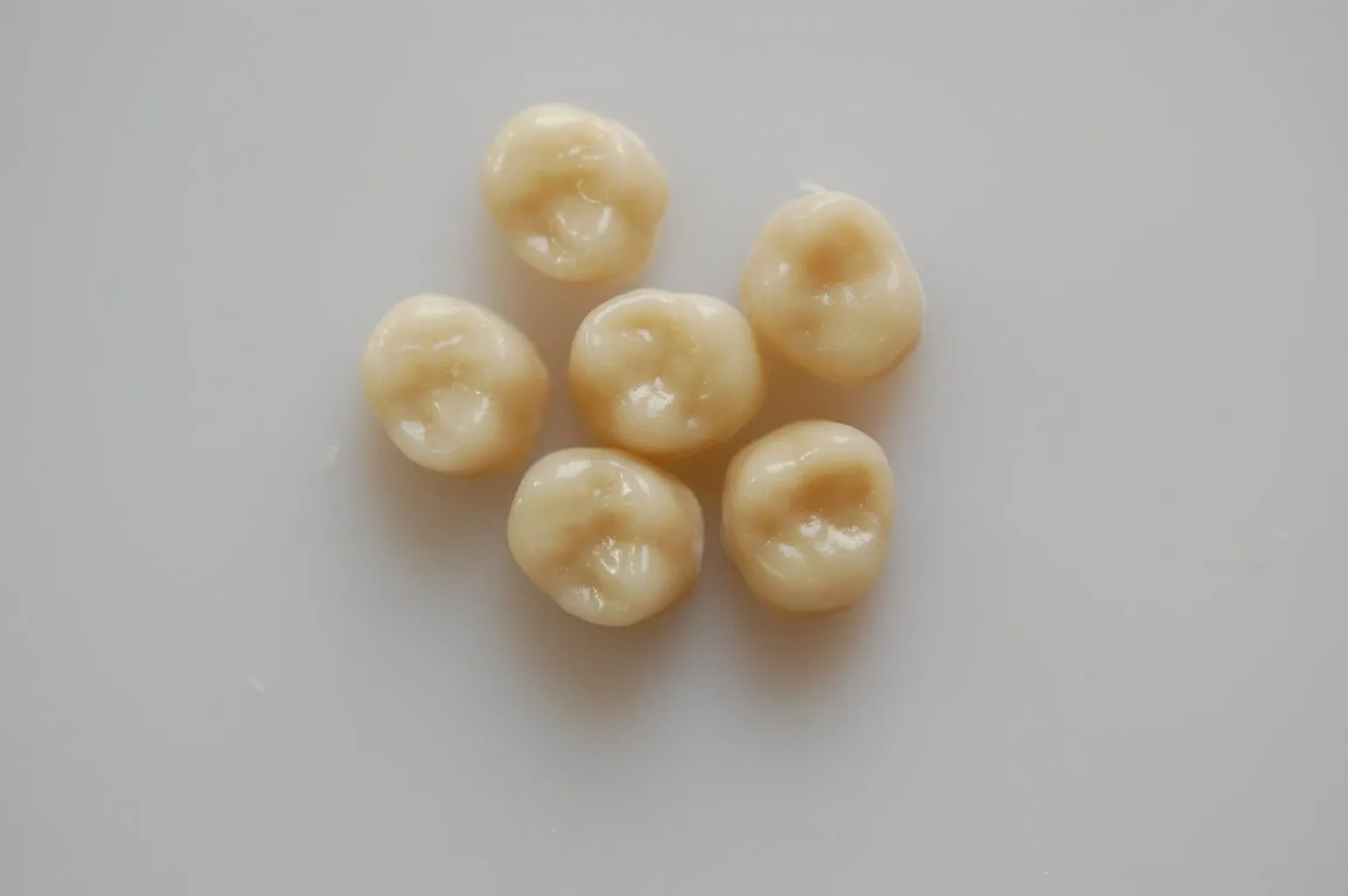
There are a few options for the crown. Porcelain fused to metal is still used, especially at the back. Zirconia is a common choice for its strength and colour. At the front, lithium disilicate glass ceramic, which lets light through more naturally, is another option. Each one differs in lab work, material and abutment type, so the tooth on top of the very same implant can be written up with very different figures by two clinics. Neither needs to be wrong.
Abutment is an item in its own right too. A ready-made titanium abutment is not the same as one made specially for you. Whether the crown is screwed onto the body or cemented on also changes things. Screw-retained crowns can be taken off and cleaned later, which makes them the more practical choice in many cases.
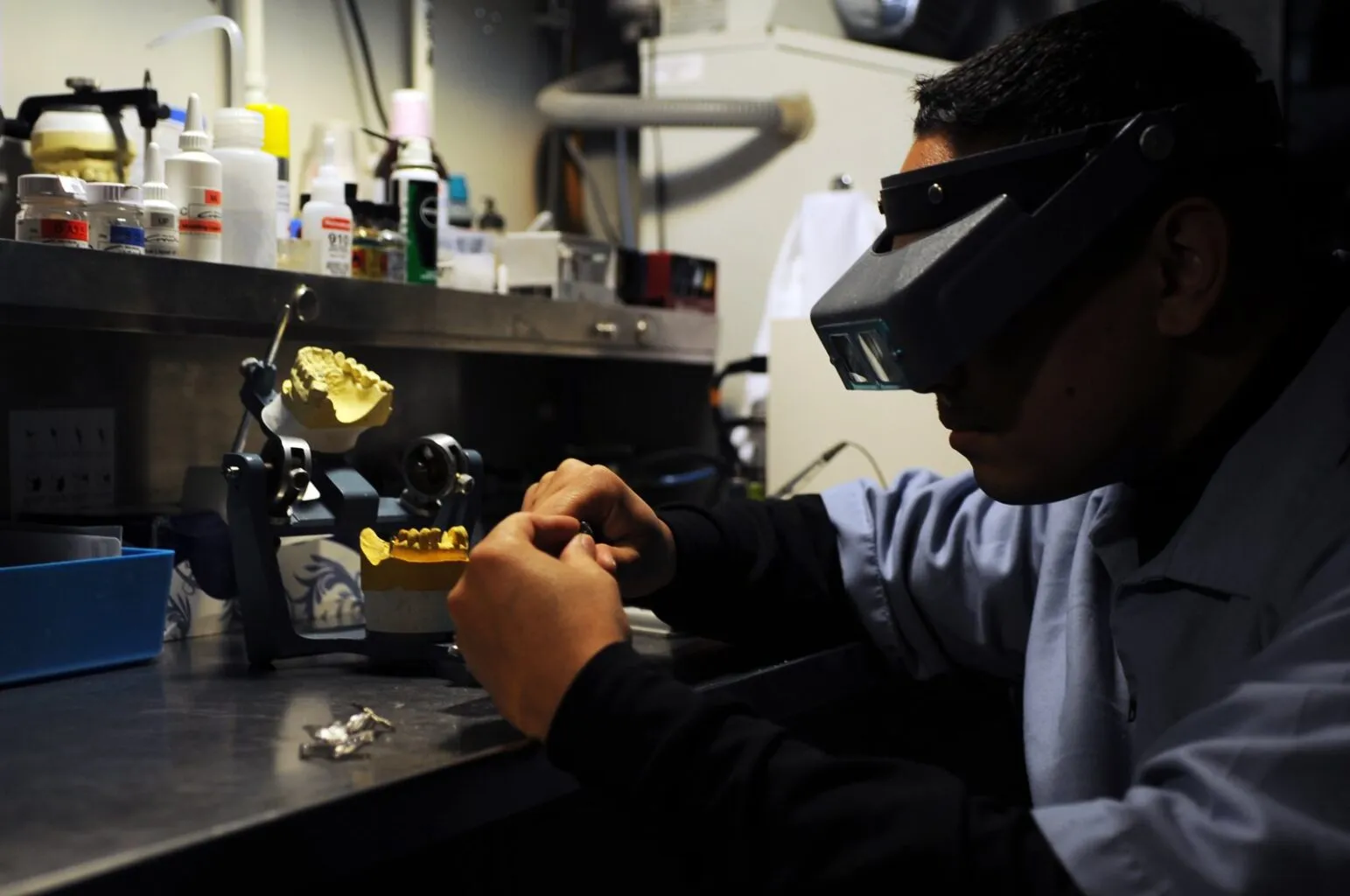
Then the lab, which deserves a mention even though people rarely talk about it. Who makes the crown? Is the impression taken with a digital scanner or the old putty, and is there a try-in? A crown from a good dental technician sits in the mouth as if it were your own tooth. A rushed crown starts trapping food after a short time and the gum turns red.
How Is Dental Implant Cost Calculated for One Tooth, Several Teeth or a Full Arch?
With a single missing tooth the sum is fairly simple. One implant body, an abutment on it and a single crown on top. If the bone is enough and nothing extra is needed, the plan fits in a few lines.
And with three missing teeth? If three teeth next to each other are gone, you don’t have to put an implant in every space. Two implants with a three-unit bridge on top are often enough. So the number of missing teeth and the number of implants are not the same thing. If your quote says “three implants”, ask why. Maybe they really are needed, maybe two would do.
When all the teeth are missing, things change at the root. Instead of single implants, a fixed full-arch prosthesis can sit on four or six implants. All-on-4 treatment works on that idea. In that case dental implant prices are not thought of per unit but as a plan for the whole jaw. What the top structure is made of, whether a temporary prosthesis can be fitted the same day and whether your bone allows four implants all make a difference. You can find more in our article on All-on-4 implants in Turkey.
What to Check When a Dental Implant Quote Looks Low
A low figure does not always mean poor work. Say that first. A high figure does not mean quality either. Fair enough. Either can happen. Both do. What matters is not the number itself but whether there is anything behind it.
If any of these come up, stop and ask questions.
- A firm figure is given without a CT scan, with a “we’ll sort it out somehow”.
- The crown, abutment or temporary tooth is not mentioned in the quote at all.
- Extraction, implant and permanent tooth are all promised on the same day, and nobody asks about your bone.
- It is unclear who will do the surgery and who you will see at the check-ups.
- The name of the implant system is not given, and when you ask for the implant card the subject is changed.
Loss of the bone around an implant, gum infection spreading to the implant and an implant that never fuses with the bone are real risks. They can appear, rarely, even in very well planned cases. But with a rushed plan, in a smoker or in someone whose gum disease has not been treated, they become noticeably more likely. A review pooling long-term follow-up studies also points to the role of smoking and past gum disease in implant loss.
How Should International Patients Compare Dental Implant Quotes?
Patients writing to us from the UK, Ireland, the US, Australia or the Gulf often hold a treatment plan from their own country. Next to the quote from Turkey the difference looks large. But a few things get forgotten in that comparison.
An implant needs time to fuse with the bone. In the lower jaw that is usually 2-3 months, in the upper jaw and grafted areas 3-6 months and sometimes longer. So in most single tooth and partial cases you will need two separate trips. Flights, a hotel and days off work are part of the real total. If a quote says everything will be finished in one trip, ask exactly how it will be done. Asking is not rude.
And there is the time after you go home, which gets forgotten. If something goes wrong once you are back, who will look after it, and does anyone there know the system that was used? Ask for the name of the implant system and your treatment notes in writing. We describe the general flow of treatment in Turkey in dental treatment and health tourism in Turkey.
World Health Organization’s oral health fact sheet explains how common tooth loss is worldwide and how access to care differs from country to country. Those differences partly explain why the same treatment is paid for so differently from one country to another.
Dental Implant or Bridge, Which Makes More Sense Long Term?
When you ask this, it is not only today’s figure that matters but also what happens twenty years from now.
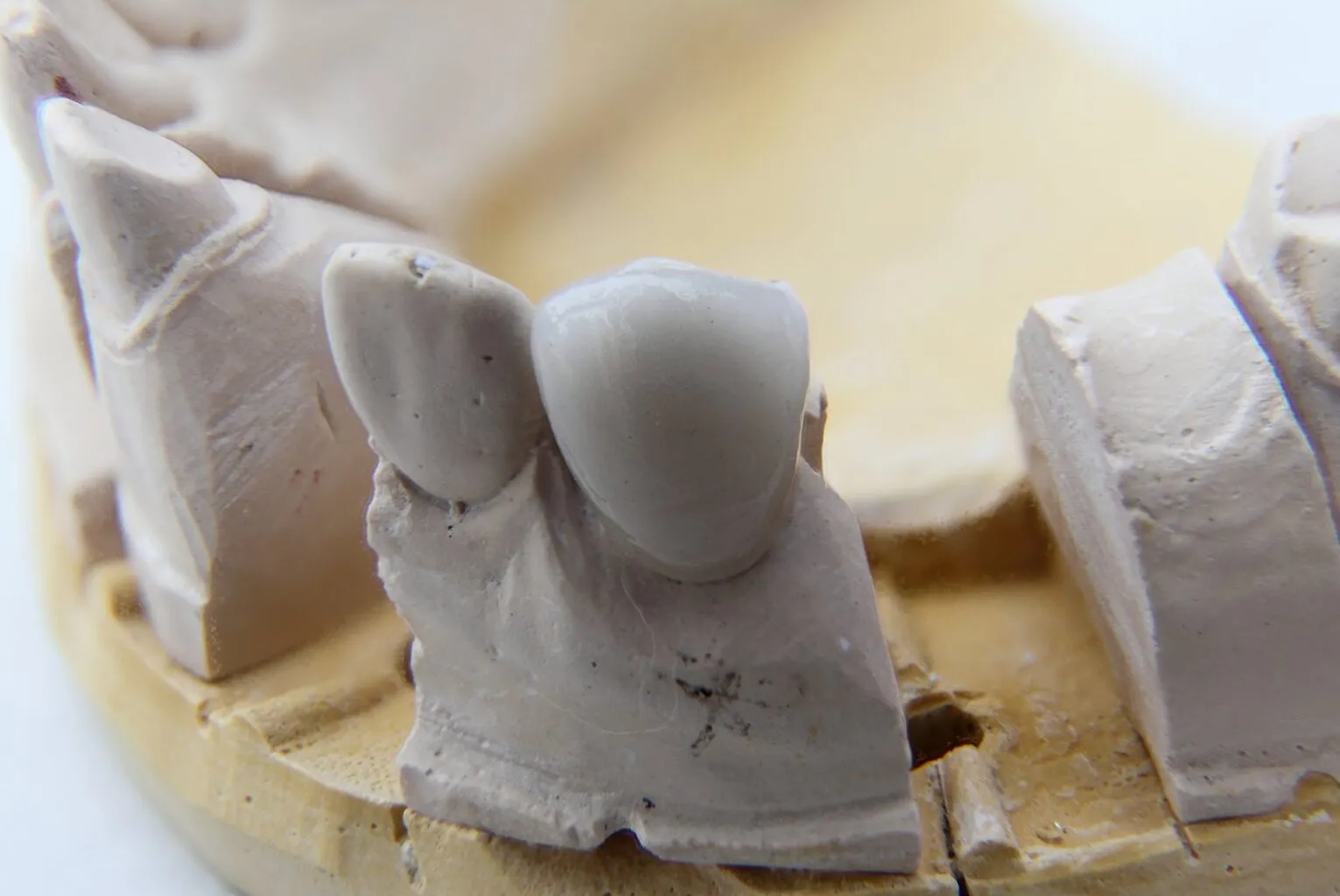
For a bridge, the teeth on both sides of the gap are cut down and reduced. If they are healthy, that is a pity. If decay starts under the bridge over the years, or one of the support teeth needs a root canal, the whole bridge may have to be redone. An implant, on the other hand, leaves the neighbouring teeth alone.
Still, if the neighbouring teeth already carry big fillings or crowns, a bridge can be a perfectly reasonable option. The same goes for someone whose bone is very thin and who does not want a graft. We compare the two in detail in implant or bridge.
What Decides How Long a Dental Implant Lasts and What It Costs Overall?
Money spent after the first invoice is usually about maintenance. An implant is not something you do once and forget. Like taking the boiler in for a service before every winter, it is a living structure in your mouth that needs a look once or twice a year. An implant cannot decay, but the gum around it can become inflamed. That condition is called peri-implantitis. It is silent. Completely. There is little bleeding, pain is often absent, and by the time the patient notices, bone loss may already have started.
Smoking raises this risk a great deal. A great deal. We tell every patient this and most don’t want to hear it. In people who grind their teeth at night, crowns wear faster and screws can loosen, which is why we sometimes suggest a night guard. If floss and interdental brushes are not used regularly, plaque builds up around an implant just as it does on a natural tooth. The NHS advice on looking after your teeth and gums sums up the basics of that daily care well.
Check-ups once or twice a year, with a professional clean, head off a much bigger expense later on. When you assess a quote, ask how those check-ups are planned too.
Questions to Ask Before Accepting a Dental Implant Quote
If you have three quotes in your inbox, putting the same questions to each of them makes life much easier. These are the questions we most want patients to ask us.
- Did you make the plan from a CT scan or from a panoramic X-ray?
- Are the implant body, abutment and crown listed separately in the quote?
- Will I need a bone graft or sinus lift, and if so is it part of the plan?
- Which implant system will you use, and will you give me the implant card?
- What material will the crown be, and is it screwed or cemented?
- Will I get a temporary tooth while I heal?
- Who will do the surgery and who will do the check-ups?
- If something goes wrong, how and when can I reach you?
Simple questions, all of them. A quote whose answers are clear becomes comparable, whatever its figure. If the answers are vague, however attractive the number looks, it is worth taking a step back.
Why Don’t We Publish Dental Implant Prices on This Page?
There are two reasons, one legal and one entirely practical. In Turkey, the regulation on promotion and information activities for health services does not allow healthcare providers to announce prices online. That applies to every dental clinic in the country, so you will not find a price list on any Turkish clinic website, and we follow the rule too. It is also why you have to message or call a clinic to get a quote at all, which is how so many people end up holding three quotes that look nothing alike.
Second, and this is the one I care about more, a figure given without seeing your mouth does not help you. Every item described above changes from person to person. Your bone volume, the number of missing teeth, the crown material you pick, the graft you may need. All of it falls into place only after an exam and imaging. You can see the general flow of the process on our implant treatment page.
Back to the man who came in that Tuesday. We took his CT scan and looked at it together on the screen. While I pointed to the sinus floor with a pen, he started opening the messages on his phone one by one. He read what each of them actually said. Right above the missing molar the sinus floor had dropped quite low, and the bone height was not enough for an implant. Two of his three quotes did not mention a sinus lift at all, and one had no crown either. He put the phone back in his pocket. “So nobody was cheating me, they were all just talking about something different,” he said. At the door he turned round and added, “I’ll show this table to my wife too, she has a back tooth missing,” he said.
The same confusion happens with cosmetic quotes, so we also explained why Hollywood smile quotes differ so much.
Frequently Asked Questions
Why does dental implant cost differ from person to person?
Because bone volume, the number of missing teeth, the need for a graft or sinus lift, the implant system and the crown material are different in every patient. None of this is clear without an exam and a CT scan. That is why even the same missing tooth can end up with different plans and different figures.
Does a dental implant quote include the crown?
Not always. Honestly, that is the whole problem. Some quotes cover only the body that sits in the bone, with the crown and abutment written separately. When you receive a quote, the safest thing is to ask in writing whether all three parts are included.
Can an implant be planned without a CT scan?
A panoramic X-ray gives a first idea. But bone width, the floor of the sinus and the position of the nerve in the lower jaw are assessed much more safely on a three-dimensional image. In most cases we recommend a CT scan before surgery.
Does every implant need a bone graft?
No. If the tooth was removed recently and the bone is sufficient, a graft may not be needed. It comes into the picture when a tooth has been missing for years, when the sinus has dropped in the upper back area or when gum disease has worn the bone away.
Why are dental implant prices not listed on this page?
Publishing prices online is prohibited for healthcare providers in Turkey under the regulation. A figure given without an exam would also be misleading. If you send us your panoramic X-ray, we can talk through a plan made for you.
How many trips to Turkey are needed for dental implants?
For single teeth and partial gaps, two trips are usually needed. The implant is placed on the first, you wait 2-6 months for it to fuse with the bone, and the crown is fitted on the second. In some full-arch cases a temporary fixed prosthesis can be fitted on the first trip.
Is an implant or a bridge more sensible in the long run?
A bridge can look less demanding at first. It means cutting down healthy neighbouring teeth, though, and over the years the whole thing may have to be replaced. An implant leaves the neighbouring teeth alone. Which one suits you depends on the state of the neighbouring teeth and the bone.
Why does it matter to know the name of the implant system?
If the screw loosens or the crown breaks years later, a spare part from the same system is needed. With the system name and implant card in your hands, your dentist can find the right part even in another city or country.
What shortens the life of an implant the most?
Smoking, untreated gum disease, poor oral hygiene and night-time grinding are the most common causes. Regular check-ups and professional cleaning help catch inflammation around the implant early.
Send us your panoramic X-ray and the quotes you already have, and our dentist will go through the items that are missing with you. Contact page