
Last Tuesday, a little before lunch, a man in his forties walked into our clinic in Haliç, on the Golden Horn. He was holding an A4 sheet folded in four, with a tea ring on one corner. He sat down, put on his glasses and smoothed the paper out on his knee. “Sorry about this, I couldn’t sleep, so I wrote down whatever came to mind.” Fourteen questions in ballpoint. A few were underlined twice.
Honestly, that sheet told me more than most brochures do. Before getting dental implants, these are the things people really want to know. “I have diabetes, is that a problem?” “What if I can’t quit smoking?” “Will the implant heat up in an MRI?” None of them were silly.
Below I go through that list in the order we covered it in the exam room, with a few questions of my own slipped in. If you want to know what an implant is and how it goes in step by step, our article on what dental implants are and how they are placed covers that in detail. This one is about the stage before the decision. It is for the moment before you sign anything or book anything, while you are still carrying all those questions around.
What Should You Know Before Getting Dental Implants?
That was the first question on the list, and the broadest one.
A gap in your mouth is not just a missing tooth. There is bone underneath it, neighbouring teeth on both sides, teeth in the opposite jaw biting down on it, and on top of all that, your own habits. An implant keeps working for many years only if all of this is weighed at the same table, and if you look only at whether the screw sits nicely in the bone, you can end up with a very different picture a few years on.
At the first appointment we ask about your general health, the medication you take, the height and width of the bone, your gums, and whether you clench your teeth at night. We ask about expectations too. “My daughter’s wedding is in three weeks, I need a front tooth” and “I’m in no hurry, I just want it to last” do not lead to the same plan.
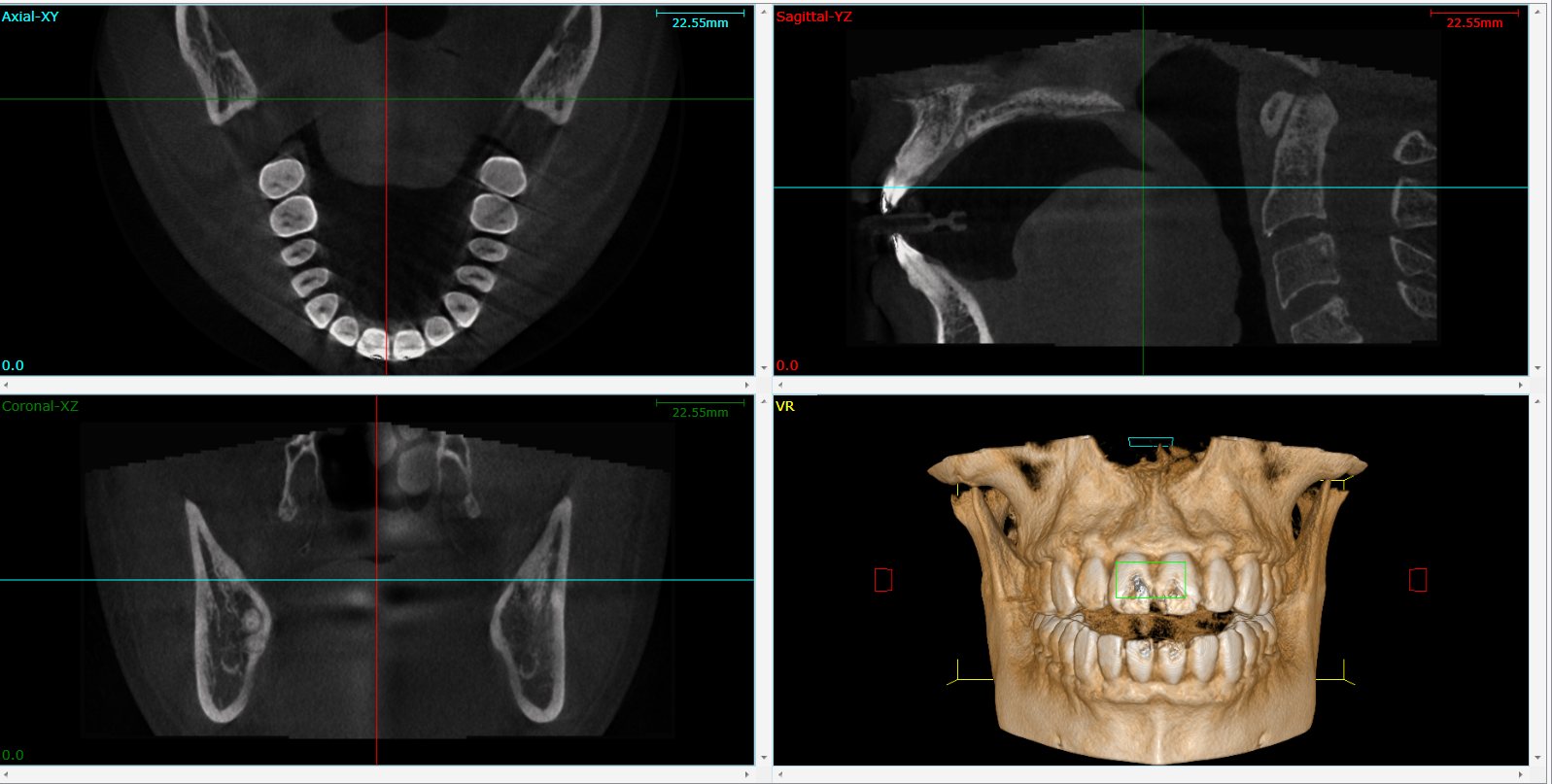
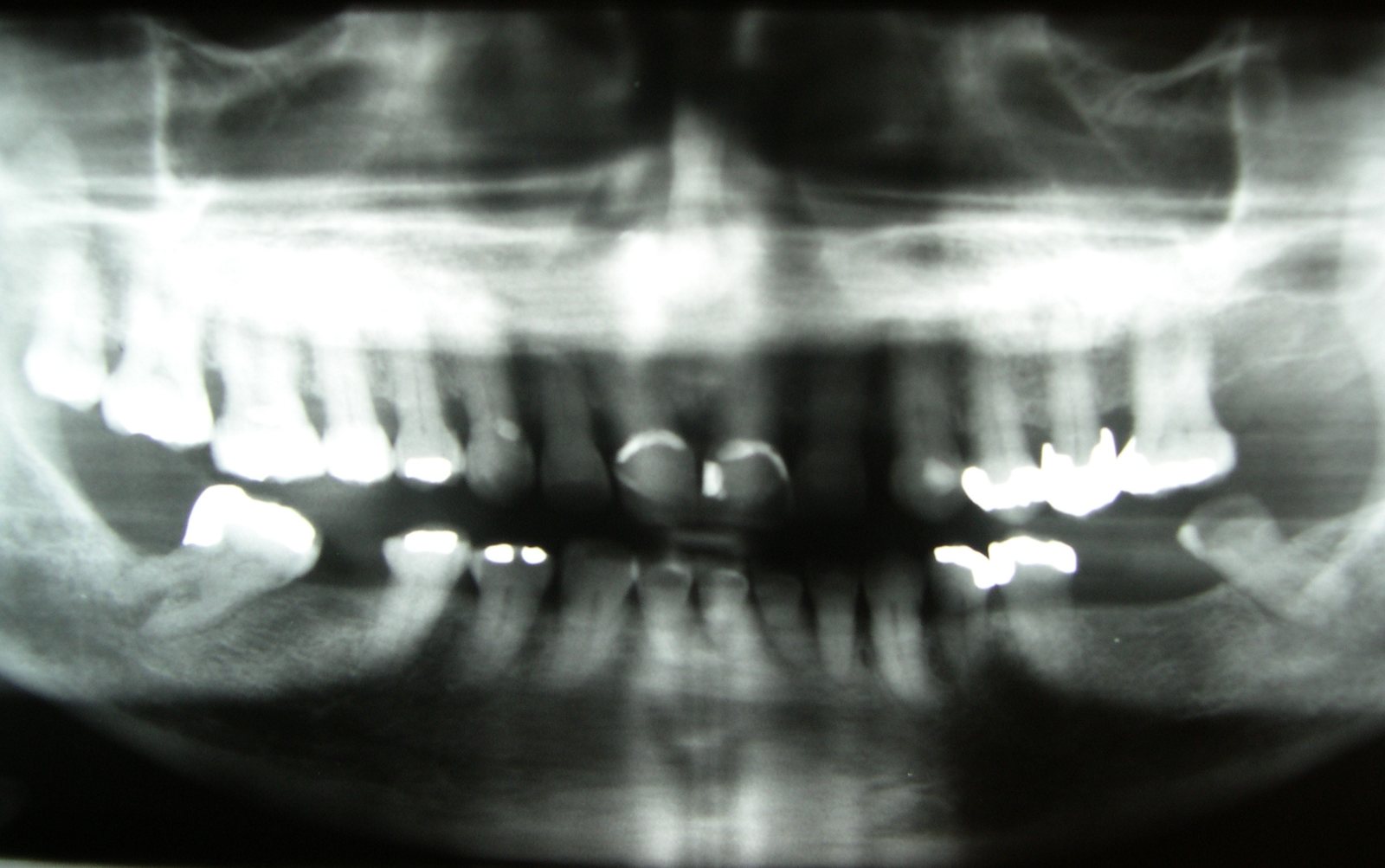
A panoramic X-ray gives a first idea, and that is all. When we plan implant treatment, we usually ask for a three-dimensional dental CT scan. A flat film does not show how wide the bone is, exactly where the nerve runs, or how far the sinus hangs down. We don’t like choosing an implant length by guesswork.
Who Cannot Get Dental Implants?
Fewer people get a flat no from us than you might expect. But there are plenty of situations where we wait, or take extra precautions, and the real risks of implants hide in exactly those details.
We wait for teenagers whose bones are still developing. An implant placed while the jaw is growing stays exactly where it is, while the natural teeth around it keep moving with growth. A few years later the implant tooth looks sunk in compared with its neighbours. That is why we usually wait until 17-18. There is no upper age limit. We have had patients well into their eighties who take their medication on time and walk along the seafront every morning. General health matters far more than age.
We do not do planned surgery during pregnancy. There is no rush for it anyway.
Below is a table of what we meet most often in the exam room and what we generally do about it. Every patient is assessed individually, so please read it as a guide and not a rulebook.
| Situation | What it means | What we generally do |
|---|---|---|
| Well-controlled diabetes | Healing may be a little slower | We go ahead with the normal plan, with a recent lab result |
| Uncontrolled diabetes | Higher chance of infection and of the bone not fusing | We postpone until the values improve |
| Blood thinners | Bleeding control becomes important | We never stop the drug ourselves, we talk to the doctor who prescribed it |
| Osteoporosis medication taken by mouth | Rarely, a healing problem in the jawbone | We find out the drug and how long it has been taken, then decide together |
| Bone medication given intravenously | A serious risk for the jawbone | Often we discuss options other than implants |
| Radiotherapy to the head and neck | Blood supply to the bone is reduced | We decide very carefully together with your oncologist |
| Pregnancy | Not a suitable time for planned surgery | We leave it until after the birth |
| Untreated gum disease | Bacteria can spread to the implant | We treat the gums first |
Can You Get Dental Implants With Diabetes or High Blood Pressure?
That was question three, and its line had been underlined twice. Probably a relative had told him “implants don’t take in diabetics.”
They do. There is a condition, though, and an important one.
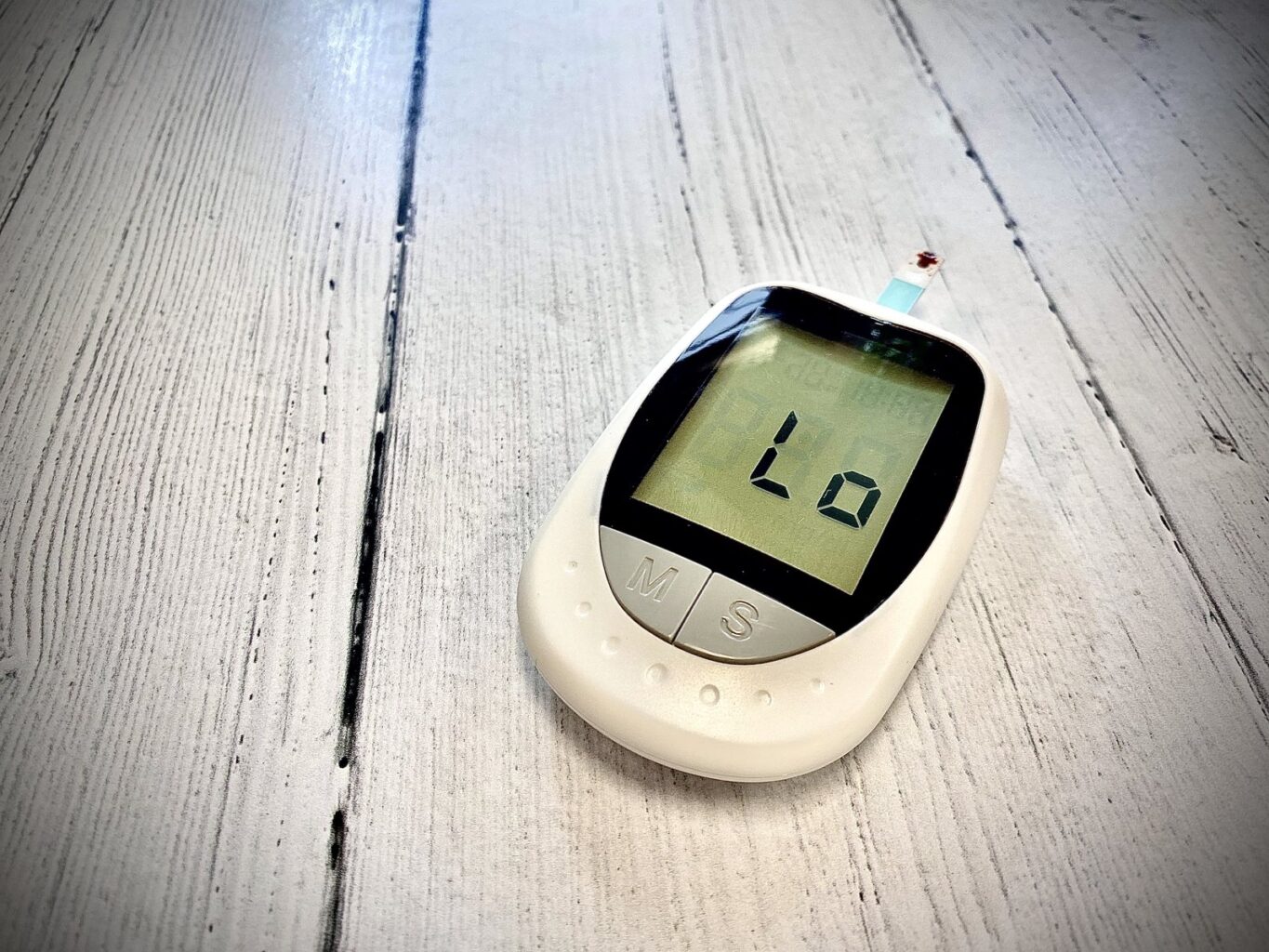
Between someone whose sugar is held steady with tablets or insulin and someone with no diabetes at all, we see no big difference for implants. Uncontrolled sugar is the real problem. When blood sugar runs high all the time, wounds close late, infections find it easier to settle, and the bone fuses with the implant more slowly. So we ask diabetic patients for an HbA1c test, which shows the average of the last three months. If the value is high, you see your physician first. We wait, and so does the implant.
Blood pressure is simpler. If you take your medication regularly and your readings are where they should be, there is no obstacle. On the morning of surgery take your pills as usual, have breakfast, and don’t turn up on an empty stomach. We measure your blood pressure in the chair as well. If it comes out high, sending you home that day without doing the procedure is no trouble for us at all, and we meet again a week later.
Do the Medications I Take Affect Dental Implants?
They can, sometimes seriously. That is why we ask you to bring your medicine boxes in a carrier bag to the first visit. A “small white pill” tells us nothing, while the active ingredient printed on the box tells us a great deal.
There are two groups we pay particular attention to.
First, blood thinners. It is a wide family, from aspirin to the newer tablets that prevent clots. Never stop them on your own. Raising your risk of a heart or vascular event for the sake of an implant makes no sense at all. In many cases we can work without stopping the drug, controlling bleeding locally with stitches and clot-supporting materials, and if needed we phone the doctor who prescribed it and decide together.
Next come the drugs that slow bone breakdown, used for bone loss and for some cancer treatments. Bisphosphonates and denosumab belong here. Rarely, these drugs can cause wounds in the jawbone that do not close, which the literature calls medication-related osteonecrosis of the jaw. According to the 2022 position paper of the American Association of Oral and Maxillofacial Surgeons, the risk varies a lot with the type of drug, the dose and how long it has been taken. With osteoporosis tablets taken weekly or monthly by mouth, the risk is low. With drugs given intravenously at cancer-treatment doses, it is clearly higher.
When someone says “I get a drip once a year, I don’t know what it’s called,” that is a yellow light for us. We don’t discuss implants until we know the name of that drip.

Can Smokers Get Dental Implants?
Yes. Telling you to just quit is easy, I know. But I have to be honest here, because on that list this was the question people most expect a dodge on. Our gentleman kept his eyes on the paper while he read it out.
Smoking reduces blood circulation in the mouth, so gum and bone get less of the oxygen they need to heal, and that slower, thinner healing is where the trouble starts. A systematic review on smoking and implants shows that the chance of losing an implant is significantly higher in smokers than in non-smokers. Over the years, inflammation around the implant is also more common in people who smoke. Dose matters, and five cigarettes a day is not the same as two packs.
Our request is simple. Stop at least a week before surgery and, if you can, don’t start again during the fusion period. That period is usually 2-3 months in the lower jaw and 3-6 months in the upper. Some say “I can’t hold out that long,” and I understand. Then at the very least manage the first two weeks. A single cigarette in the days when the wound is closing puts a strain on the tissue along the stitch line.
E-cigarettes and heated tobacco are not innocent either, because nicotine narrows the blood vessels just the same. The World Health Organization’s oral health fact sheet lists tobacco use among the main risk factors for oral disease.

Can You Get Dental Implants If You Don’t Have Enough Bone?
After a tooth is pulled, the bone in that spot slowly dissolves. Quietly, too. Nobody feels it. Where a molar has been missing for years, there is sometimes not enough width left to place an implant. At the back of the upper jaw the sinus cavity expands downwards, and the bone height can drop to a few millimetres.
In cases like these, extra procedures such as bone grafting and sinus lift come in. Sometimes they are done in the same session as the implant, and sometimes the graft goes in first and we wait a few months. I cannot say which one you will need without seeing the CT scan. That is why we cannot give a straight answer to people who phone and ask “will I need a graft?”, and it isn’t evasiveness.
For patients who are missing all their teeth and have lost a lot of bone, plans with tilted implants that avoid grafting can sometimes work. We described that separately in our All-on-4 article.
Can an Implant Go In the Same Day a Tooth Is Removed? Are Same-Day Teeth Real?
Question six. Beside it, in small, slightly embarrassed handwriting, he had added “saw it on Instagram.”
Two separate things get mixed up here. One is placing the implant in the same session as the extraction, which we call an immediate implant. It can be done when there is no active infection at the root, the bone walls around it are intact, and the implant seats firmly in the bone. It spares the patient a second surgery and months of waiting.
Another is fitting a tooth on top of the implant the same day. That is possible too, but the conditions are stricter. Right at the start the implant has to sit tightly and your bite has to be suitable. That tooth is temporary, and you should not bite with it for several months. So what comes out on the same day is a cosmetic solution, not a chewing tooth. Permanent teeth come later, once the bone has fused.
I like immediate loading, especially for front teeth. But not for every mouth. Telling someone with weak bone, someone who grinds at night, or someone who arrives with an infected root “let’s do it right now” would be no favour.
Titanium or Zirconia Dental Implants?
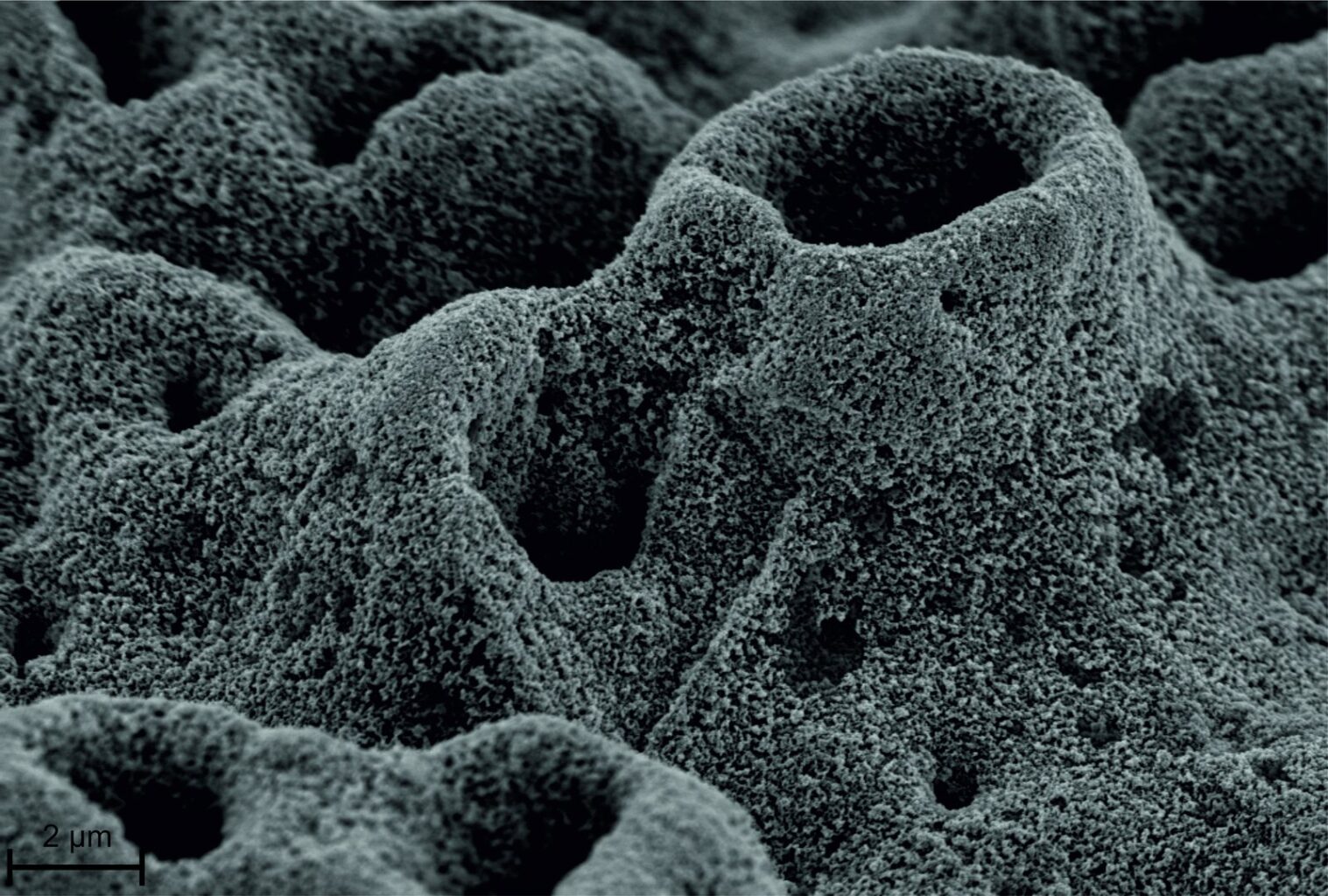
Nearly all implants are made of titanium or a titanium alloy. Its ability to bond with bone has been known for a long time, the longest follow-up data belong to this material, and under a microscope the surface turns out not to be smooth but rough and porous. Bone cells grab hold of those little hollows.
Zirconia implants are ceramic and white. In patients with thin gums, not showing a grey shadow at the front is a plus. They are also an option for the small number of people with a proven titanium allergy. On the other hand, most are made in one piece, the angle cannot be corrected afterwards, and the long-term data are not as extensive as for titanium.
Most of the patients who tell us “I have a metal allergy” turn out to be reacting to nickel. Watch straps, belt buckles, costume-jewellery earrings. True titanium allergy is very rare. If there is doubt, allergy testing comes first, then the decision.
Can You Have an MRI With Dental Implants, and Will They Set Off Airport Scanners?
I smiled when I read this one, because somebody asks it nearly every month. Short answer, no, it does not heat up.
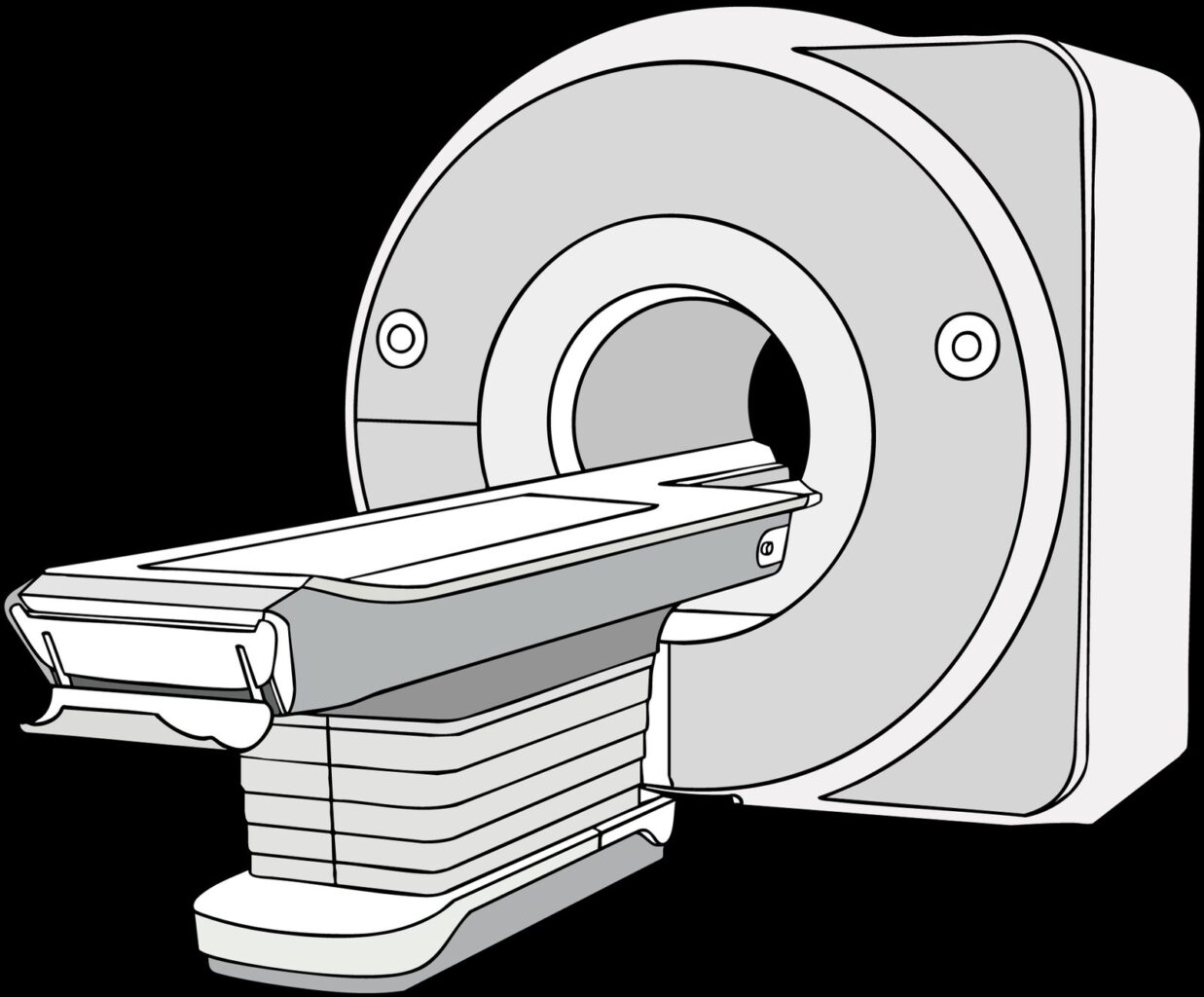
Titanium is not a magnetic metal. Someone with an implant can have an MRI, and the implant is not pulled, does not heat up and does not shift. Only on MRI scans of the jaw and face can there be a small distortion in the image around the implant. Tell the technician you have an implant before the scan, and that is enough. Magnetic attachments used on some dentures are a different matter, so let them know about those in advance.
At the airport, dental implants generally do not set off the security gate. Your belt buckle has far more metal in it than your implant does.
Can the Body Reject a Dental Implant?
We hear the word “rejection” a lot. Unlike an organ transplant, there is really no question of the immune system attacking the implant. What happens is something else, and knowing the cause makes prevention easier.
In the first months, the trouble is an implant that never bonds with the bone. Early infection, cigarettes smoked right after surgery, an implant that did not sit tightly enough in the bone at the start, or chewing force landing on it before fusion was finished are what we meet most often. In such a case the implant usually wobbles and is removed, and the area can be tried again after it heals.
Years later, the trouble has a name, peri-implantitis. Think of it as the implant version of gum disease around natural teeth. Plaque builds up, the gum bleeds and swells, and bone loss quietly begins. Caught early, it can be brought under control with cleaning and gum treatment. Left too late, it can cost you the implant.
One more important detail. Someone with gum disease must have the gums treated before the implant goes in. Those same bacteria will settle around the new implant too.
What Shortens the Life of a Dental Implant?
“Will it last a lifetime?” was on the list too. I don’t promise that, and nobody can. A well-planned, well-looked-after implant can stay in the mouth for a very long time, and we see implants that have been in place for decades. But what shortens their life is fairly well known.
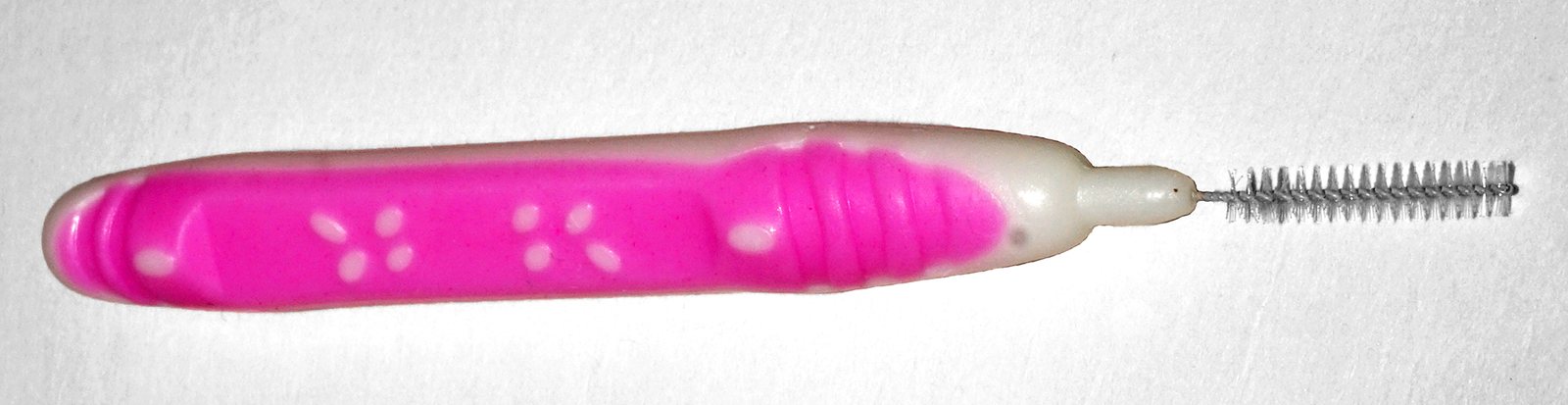
Cleaning comes first. An implant cannot decay, but the gum around it can become inflamed. Brush twice a day, use interdental brushes along the sides of the implant or a water flosser, and keep an evening routine you never skip.
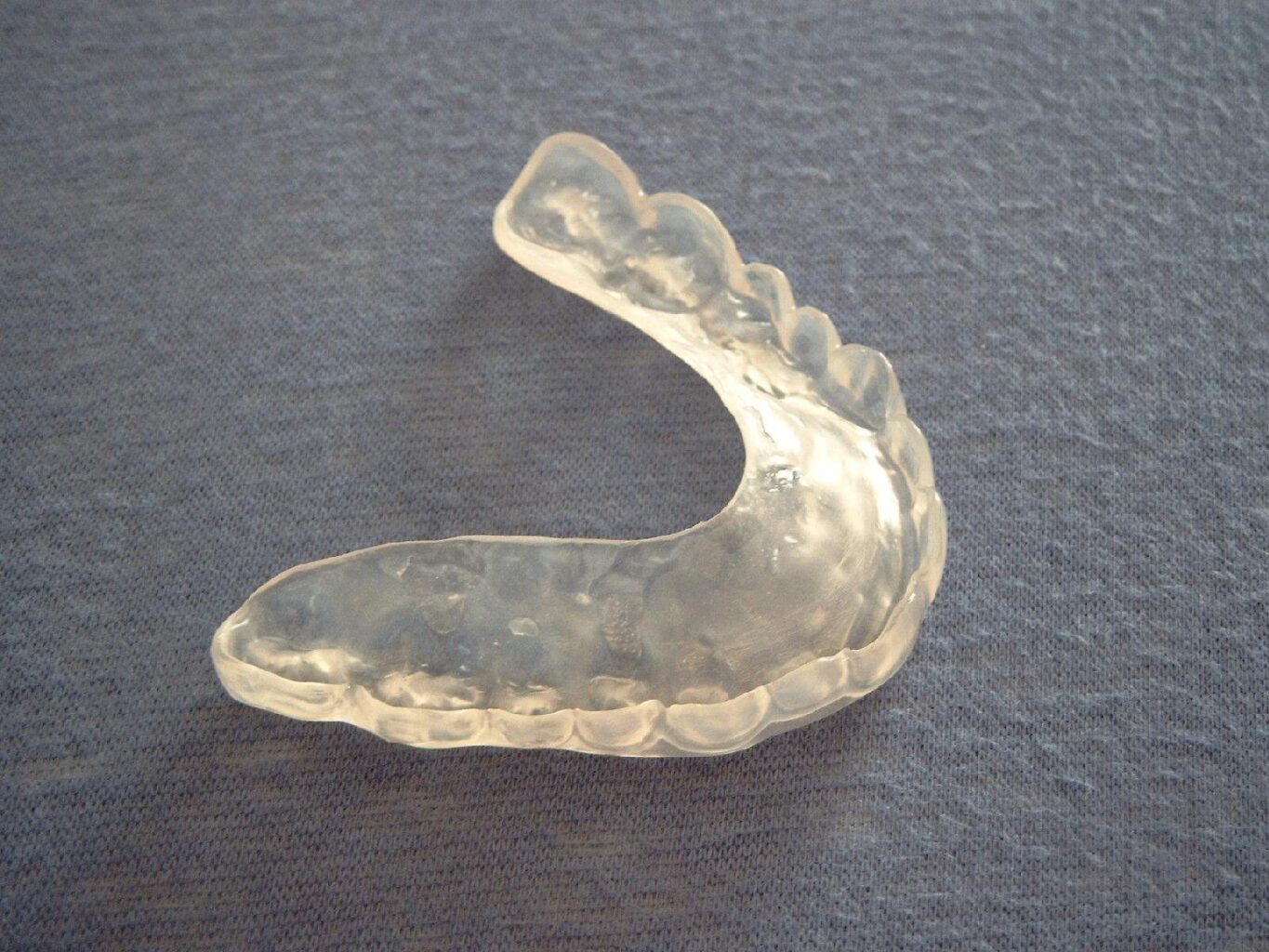
Clenching is the second big enemy. A natural tooth has a tiny bit of give at the root, an implant has none. Someone who clenches at night strains the porcelain on the implant and the screw as well. If you notice a tired jaw in the morning, temple aches or worn teeth, tell us, and we will make you a night guard.
Skipping check-ups is a quiet risk too. An exam and professional cleaning every six months, an X-ray when needed. Bone loss around an implant often causes no pain and can move forward without you feeling a thing.
What Happens After Dental Implant Surgery, and What Can You Eat?
A single implant under local anaesthetic is far from the frightening picture the word surgery brings to mind. For most patients it feels about like a tooth extraction, or easier. When the numbness wears off there is a dull soreness, and mild swelling for the first two or three days is normal. We suggest taking your pain reliever before the numbness has completely gone.
On day one, hold ice against the outside of the cheek, fifteen minutes on and fifteen off. No hot soup or tea that day, keep everything lukewarm. Yoghurt, cacık (the cold yoghurt and cucumber dip), custard, mashed potato and lukewarm lentil soup all go down well. Try not to chew on the side that was operated on. Buying a simit, the sesame bread ring, while you wait for the ferry at Eminönü will also take a few weeks of patience, sorry about that.
Hammam, sauna and heavy exercise are off the list for the first few days, and five-a-side on the astroturf can wait too, since a pounding pulse and a flushed face are the last things a fresh wound wants. Don’t rinse your mouth on day one. Next day, rinse gently with warm salt water or with the mouthwash we prescribe. Stitches usually come out within 7-10 days.
A request for the evening before surgery
Have a light dinner and eat your breakfast in the morning. Don’t stop your regular medication without asking us. If you can, skip alcohol and go to bed early. Having a relative with you on the way home makes the day a lot easier.

Why Does the Cost of Dental Implants Vary From Person to Person?
This question was last on the list. For most people it comes first.
We do not write a figure here, for two reasons. One is legal, since the regulation on promoting health services does not allow us to announce prices. I care more about the other. Any number quoted without an exam and a CT scan turns out either too low or too high.
Roughly, these are the items that change the total.
- How many implants are needed and in which area
- Whether bone grafting or a sinus lift is needed
- The type of prosthesis on top, meaning a single tooth, a bridge or a fixed full-arch prosthesis
- The material of the prosthesis
- Whether you want a temporary tooth during the fusion period
- Extractions, root canals or gum treatments that have to be done first
Sometimes a bridge or a removable denture makes more sense than an implant. We talked about how that is weighed in implant or bridge, and you can also look at removable and fixed denture options.
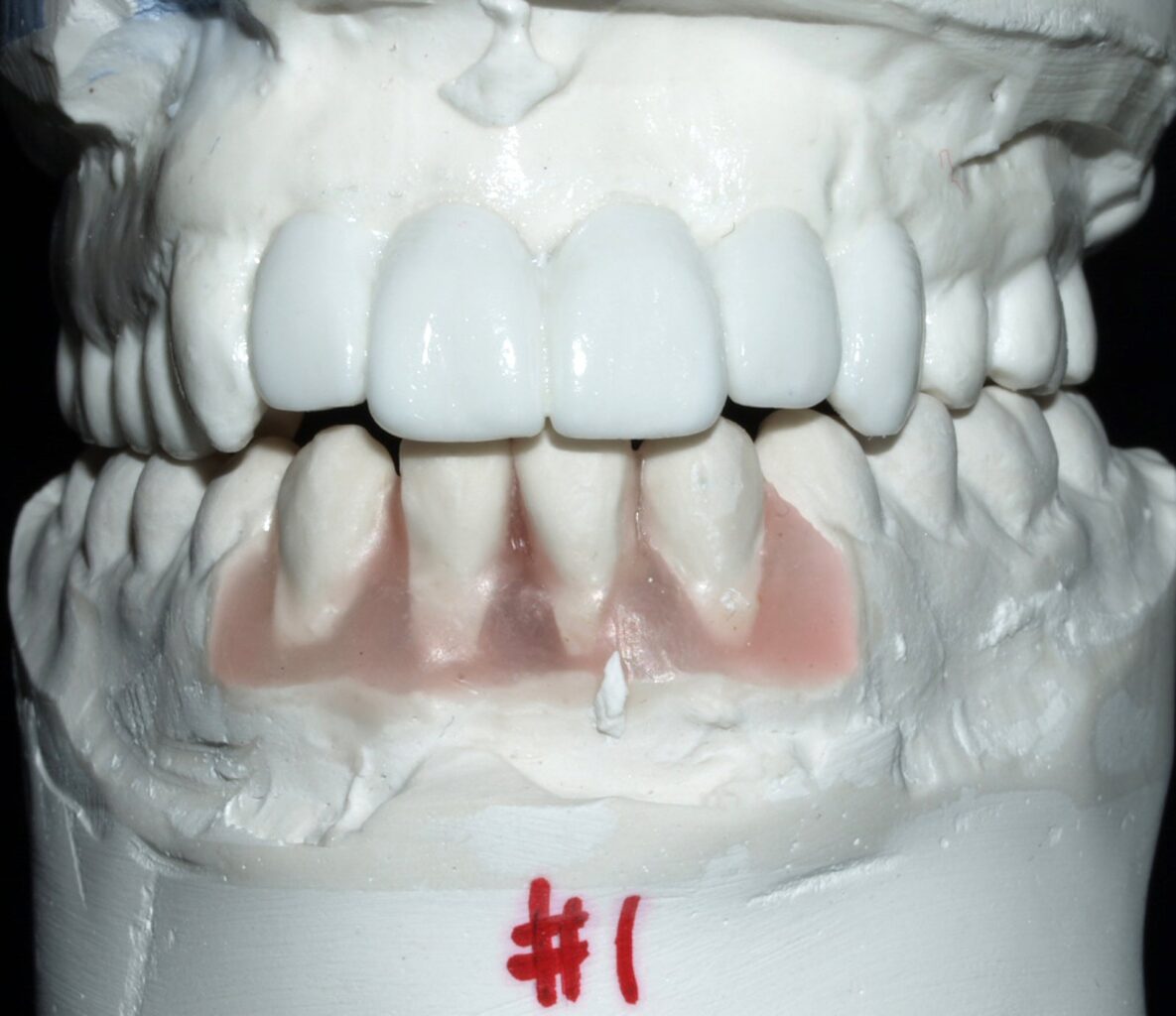
Questions to Ask Your Dentist Before Getting Dental Implants
There are questions that were not on the gentleman’s sheet and that I added myself. Before getting dental implants, please don’t hesitate to ask them. It doesn’t bother us, it makes our job easier.
- Will a CT scan be taken, and what was the plan based on?
- How many implants are needed, and why that number?
- Will I need bone grafting or a sinus procedure?
- Will there be a gap during the fusion period, or will I get a temporary tooth?
- Will the tooth on top be screw-retained or cemented?
- Will I be given an implant card?
- How often will the check-ups be?
- If a problem comes up, who do I contact first?
Let me expand a little on the implant card. It lists the name of the system used, the implant’s diameter and length, and its serial number. Say years later you have moved to another city, or you are back home in another country, and a screw works loose. If the dentist there does not know which parts to work with, a simple job can become a dead end. Keep a photo of the card on your phone as well.
Ask who will carry out the treatment, too. Are the person who places the implant and the person who makes the prosthesis on the same team, and do they talk to each other? Surgery is half of the job. If the tooth on top is not designed around your bite, your jaw movements and your cleaning habits, even an implant that looks beautifully seated in the bone ends up strained for no reason over the years.
That Tuesday, we went through twelve of the fourteen questions. He crossed out the remaining two himself, saying “actually, I’d already asked these.” He booked a day for the CT scan, folded the sheet into four again and slipped it into his inside jacket pocket. At the door he stopped, half turned, and asked. “Would quitting just for a week count?” It counts, I told him. A start counts.
When two quotes just do not add up, this breakdown of what an implant quote should include usually shows what is missing.
Frequently Asked Questions
What tests are usually needed before getting dental implants?
Most patients need a full blood count and a blood sugar reading, and people with diabetes are also asked for an HbA1c, which shows the average of the last three months. If you take blood thinners, extra tests may be needed depending on the drug. When there is a heart, kidney or bone condition, we also ask for the view of the doctor treating it.
Is there an age limit for dental implants?
The lower limit is the age at which the jawbone has finished growing, which usually falls around 17-18. There is no upper limit. Dental implants can be placed in older people too, as long as their general health is in order.
Can people with diabetes get dental implants?
Yes, when their blood sugar is under control. If blood sugar stays high all the time, wound healing and bone fusion become harder, so we wait for the values to improve first.
Can you get dental implants if you smoke?
You can, but the chance of the implant failing to fuse and of inflammation developing around it is higher than in non-smokers. Stopping at least a week before surgery and not smoking during the fusion period reduces that risk.
Can you get dental implants if you take osteoporosis medication?
The decision depends on the type of drug, how long it has been taken and whether it is taken by mouth or intravenously. With osteoporosis tablets taken by mouth the risk is low, while with high-dose intravenous treatment the risk to the jawbone rises clearly. It needs to be assessed together with the doctor who prescribed the drug.
Can you have an MRI with dental implants?
Yes. Titanium is not magnetic, and the implant does not move during an MRI. Images of the jaw area may show small distortions, so telling the technician before the scan is enough.
Can the body reject a dental implant?
There is no such thing as the immune system rejecting an implant. The problems we see are either the implant failing to fuse with the bone in the first months, or inflammation developing around the implant over the years. Both have known causes and ways of prevention.
Can you have an implant placed on the day a tooth is pulled?
Often yes, if there is no active infection at the root and the bone walls are intact. Whether a temporary tooth can be fitted the same day depends on how firmly the implant seats at the start, and that tooth is not used for chewing for a while.
What is an implant card and why does it matter?
It is a card showing the name of the implant system, the dimensions of the implant and its serial number. If another dentist needs to replace a screw, a part or the prosthesis in the future, it lets them find the right component.
When can you eat normally after dental implants?
Soft foods, lukewarm or cold, are recommended in the first days, and you should not chew on the operated side. Until the permanent tooth is fitted, the implant area should not be loaded with hard food.
Send us your panoramic X-ray or CT scan, along with your own list of questions. Our dentist will go through your questions first. Contact page